How To Transition From a Remote Workforce to an In-Person One:
The COVID-19 pandemic came with many challenges, but the industrial sector was one of the most negatively impacted areas. As millions of factories closed all over the world, companies had to develop new strategies and solutions through remote work.

Due to the physical nature of manufacturing work, it was difficult for factory employees to work from home. But what were the biggest challenges workers faced during this time? How did they overcome them? And what can be done to make the transition back to an in-person workforce easier for all? Read on to find out.
Physical Constraints
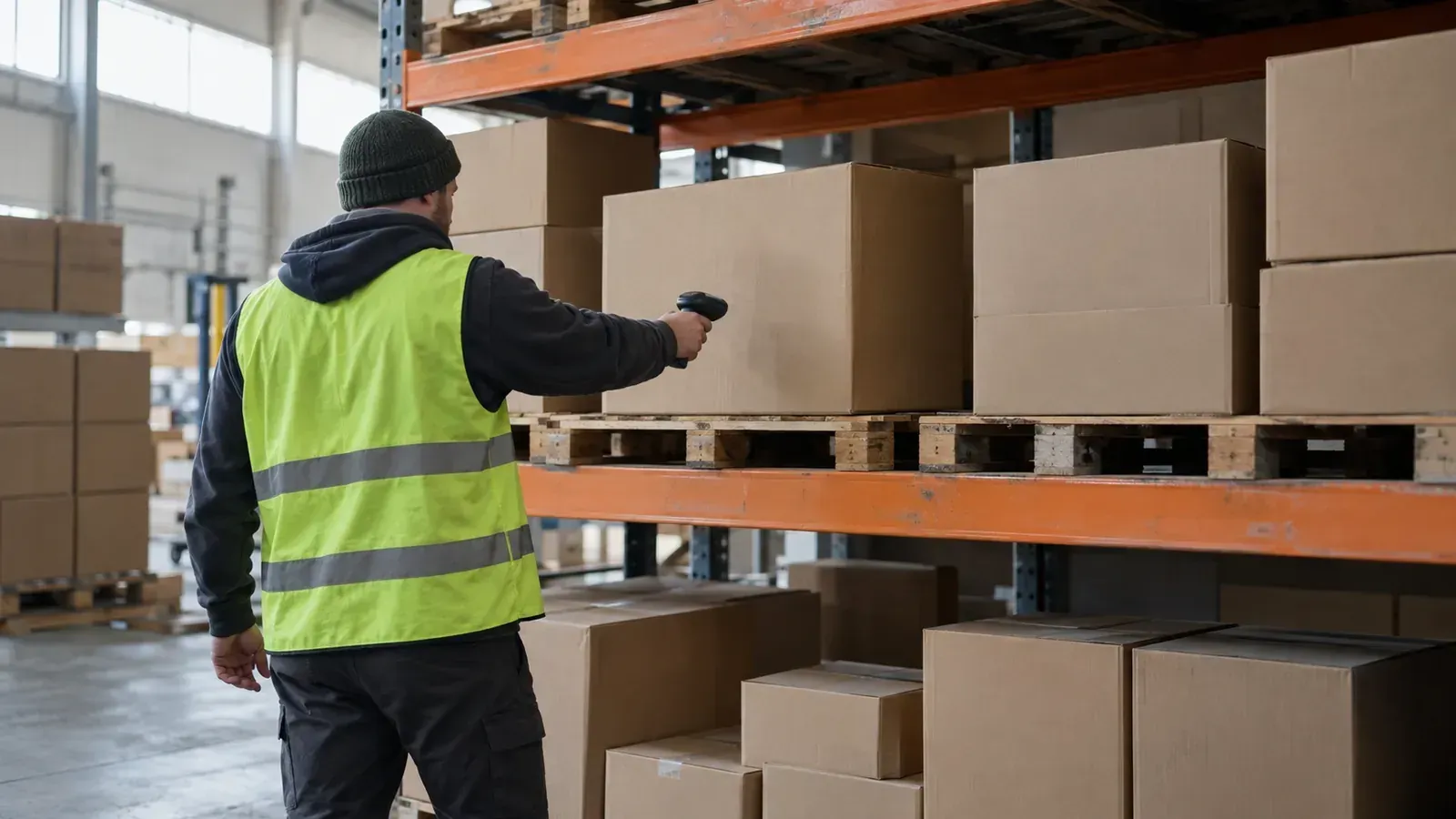
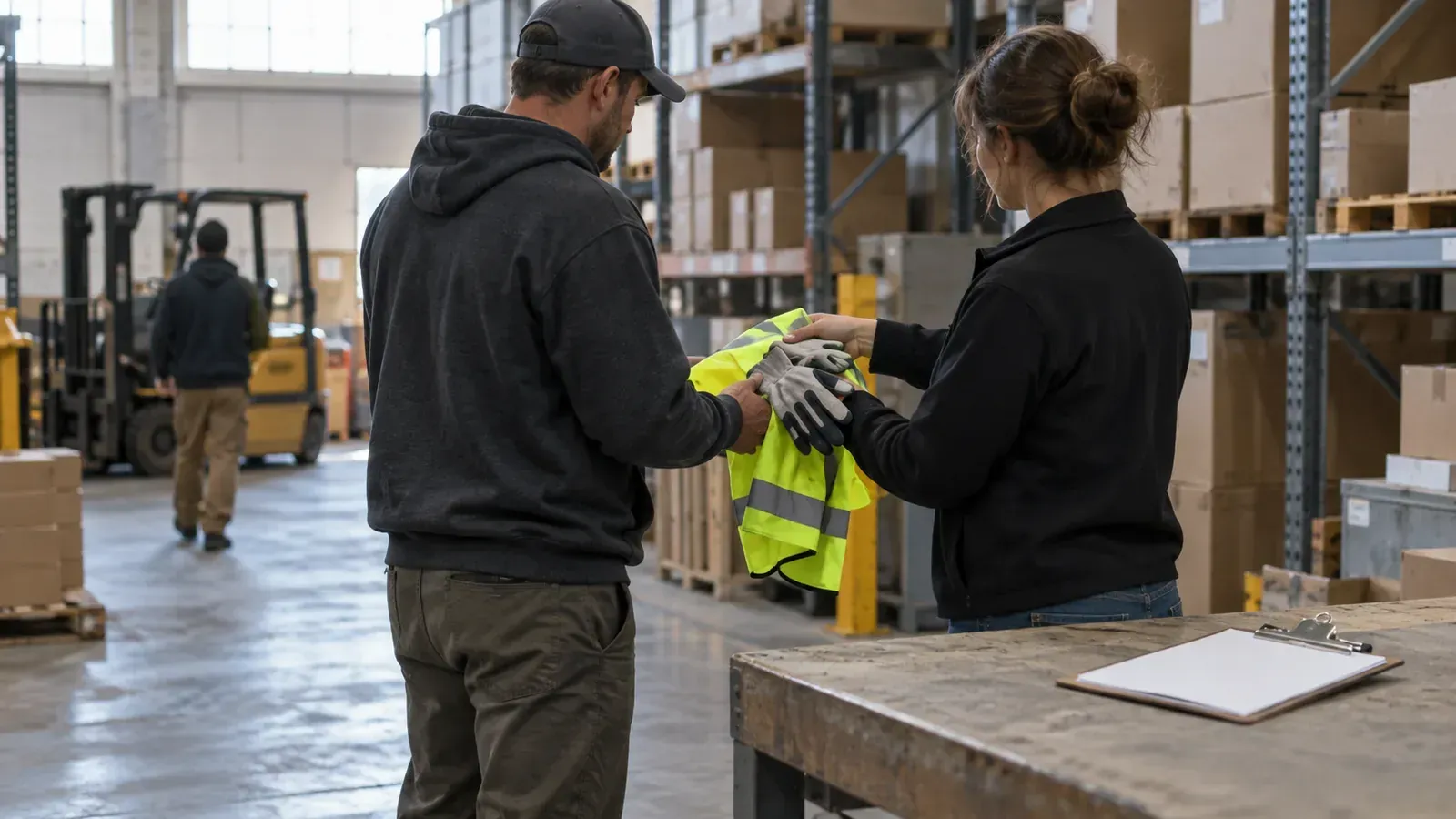
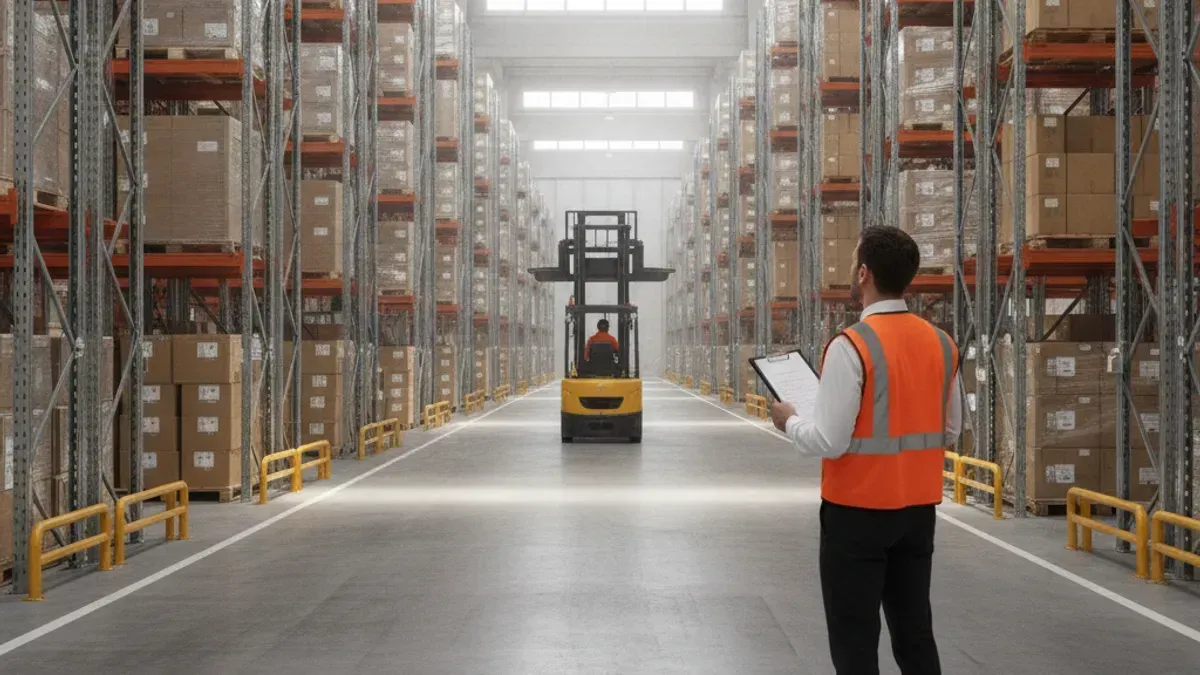
Many of the jobs in the manufacturing industry involve some kind of human intervention. What’s more, only a small percentage of manufacturers have incorporated automation into their processes.
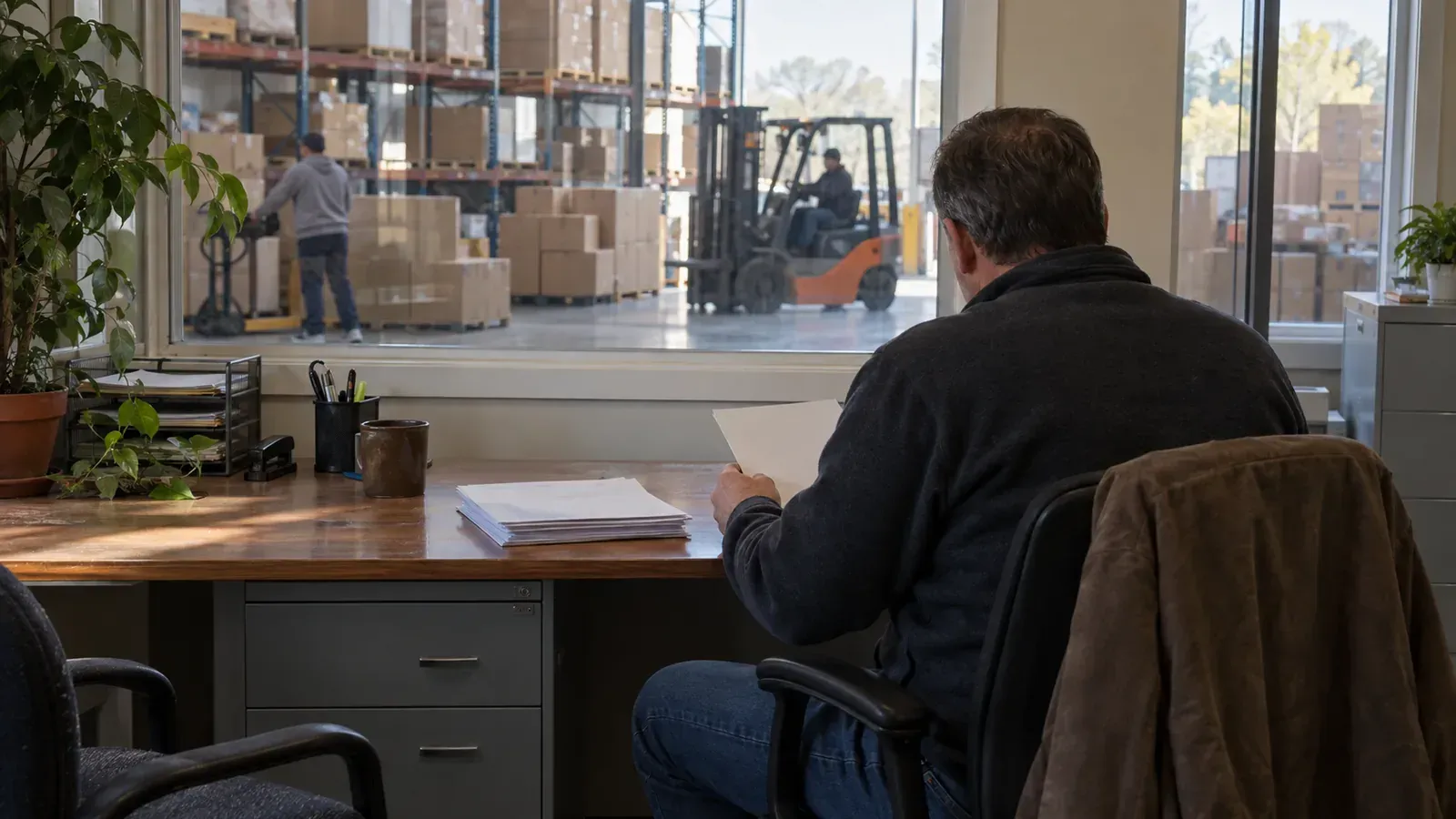
At the moment, it is not possible for most factories to work entirely remotely. However, manufacturers rose to the challenge by having their non-production staff, between 25% and 50% of their workforce, work from home instead.
Adapting To Remote Work
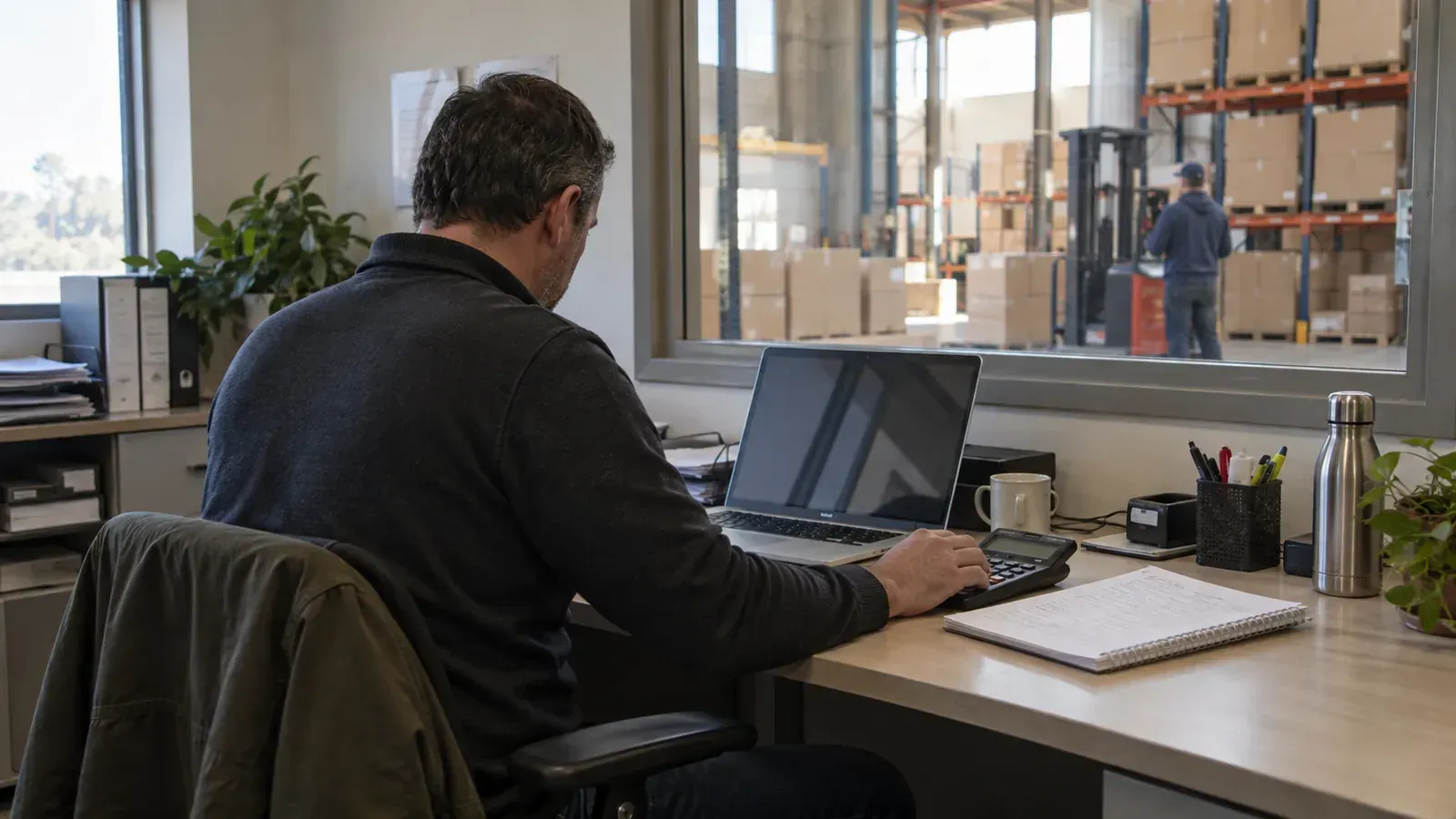
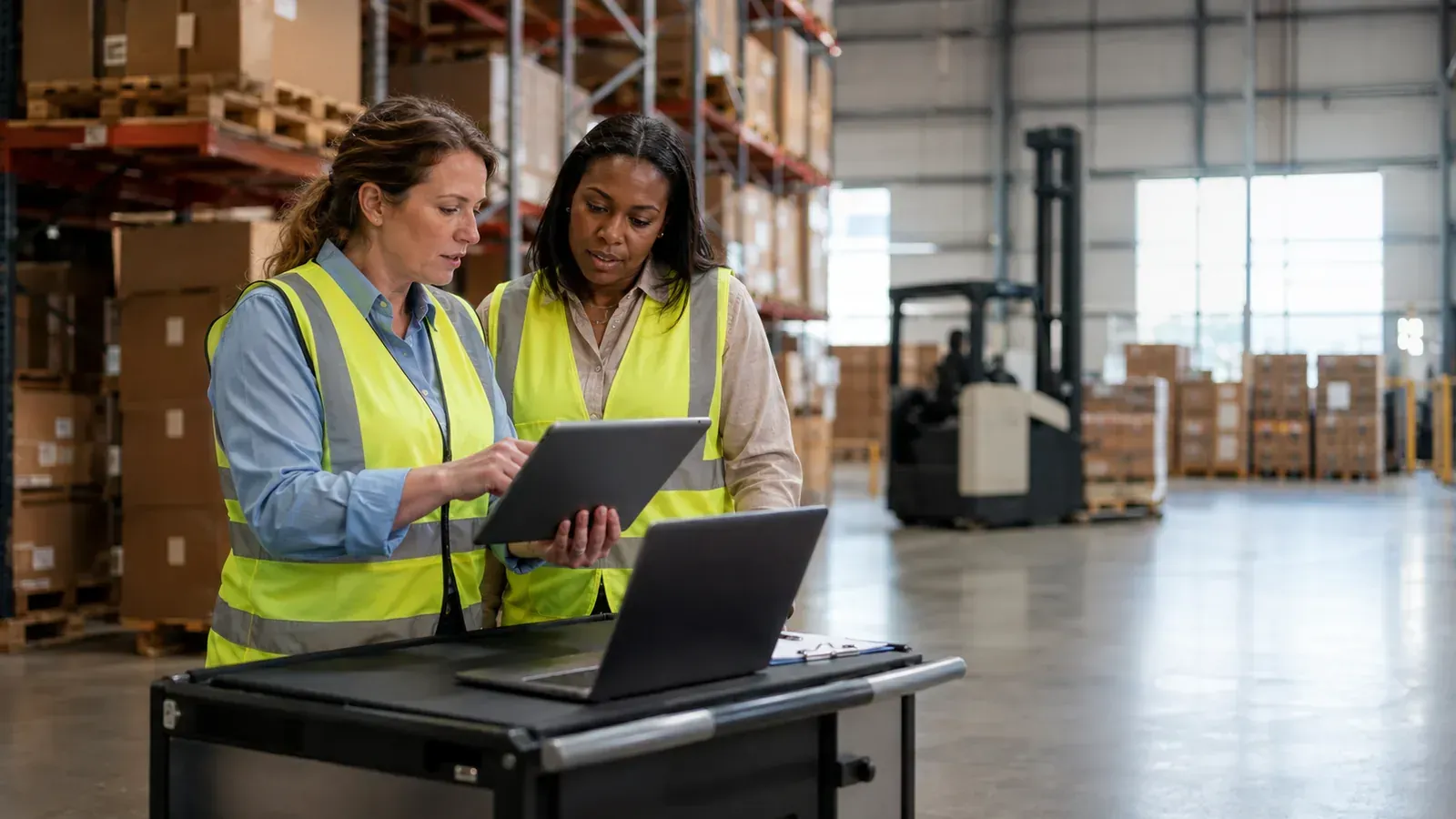
For non-production staff, remote work presented its challenges. Employees had to get to grips with software tools they may not have used before. They also had to adjust to working remotely with their colleagues, making use of video conferring apps like Zoom and Skype.
Making this shift took a lot of hard work and dedication. Nonetheless, changing to remote work helped ensure the safety of non-production staff and workers on the factory floor.
Achieving the Correct Frame of Mind
One of the biggest difficulties of remote working is learning to develop the right frame of mind for working at home. It’s a shift that takes a lot of self-discipline and determination. Workers focused on three key areas to help them stay on-task:
- Keeping connected with colleagues and clients. For a team to work smoothly, communication must be clear and effective. This is particularly true when you’re working online.
- Making the most of online meetings. Another important aspect of online work is learning to take advantage of online meetings. Even if you’re working from home, you should be professional throughout the call.
- Being efficient. Perhaps the most difficult part of remote work is staying on-task and being efficient. Make sure you’re working in an ergonomic environment, free of distractions. Try to stand up and stretch where you can. Finally, make use of to-do lists to help keep focused.
How to Transition Back to In-Person Work
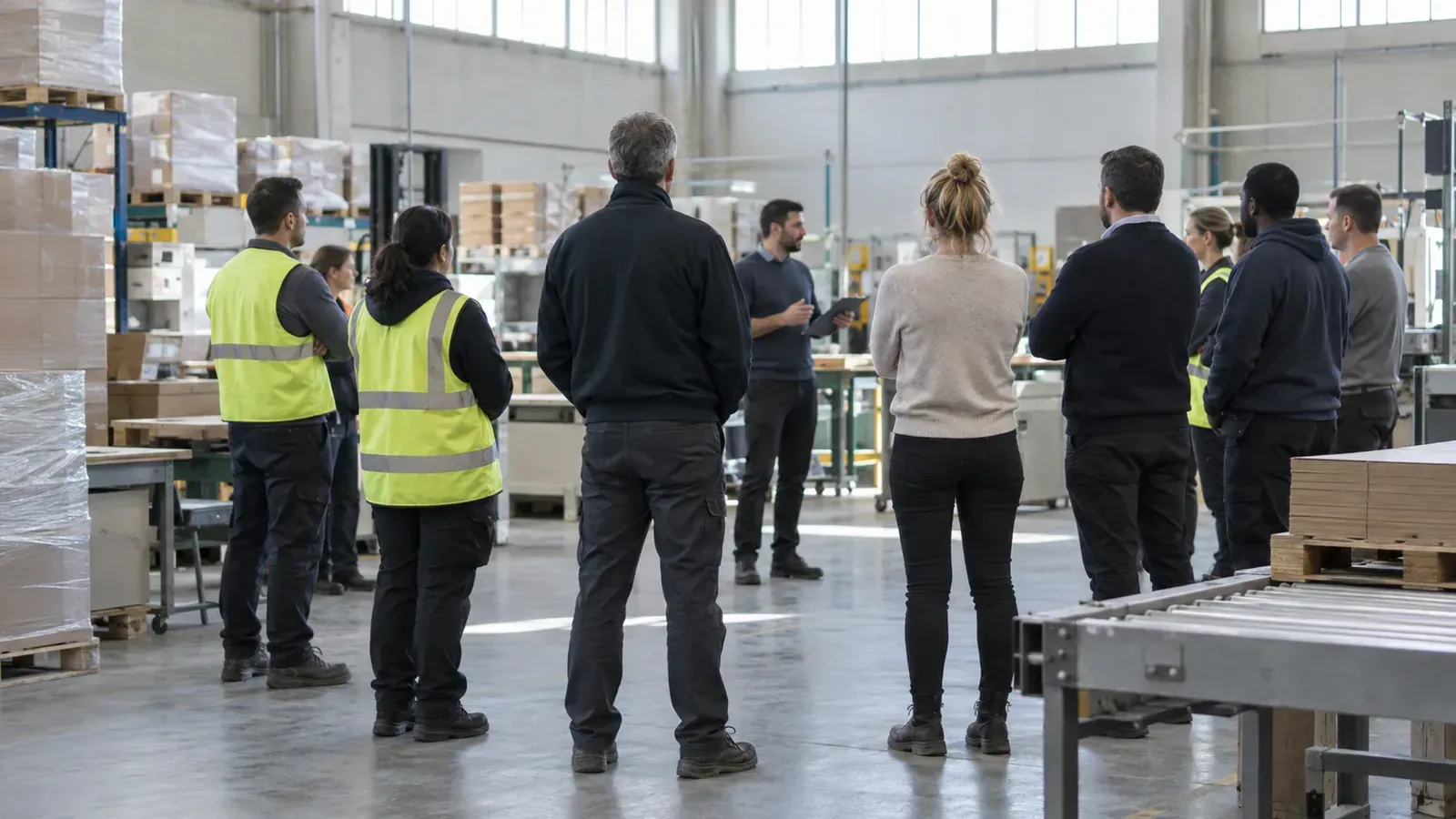
With vaccines rolling out and the worst of the pandemic behind us, people have started moving back to in-person work. This transition is difficult for many, so here are just a few tips to make it easier:
- Transition new skills. Don’t just forget all about the skills you developed over lockdown; bring them back with you to work. Whether you developed better time-management skills, communication skills, or learned how to stay on-task, incorporate these new skills and habits into in-person work.
- Create a safe and comfortable environment. Both employers and employees should be mindful of one another at this time. This means taking the time to clean and sanitize the workplace. But it also includes extending compassion to people who may be struggling with this transition.
- Stick to a routine. No doubt your routine during lockdown looked very different from your in-person routine. Prioritize your day, both in and out of work, and try to develop a new schedule.
Going back to in-person work is sure to be challenging for many, but if you follow these above tips it is sure to be a little easier for everyone. And if you find yourself struggling to find employees to fill in-person roles, FIS Recruitment is here to help! We offer staffing services to match you with material handlers, operational managers, assemblers, and more! We'll find you the perfect candidates.